SLEEP WHEN THE BABY SLEEPS Solstice June 22, 2026
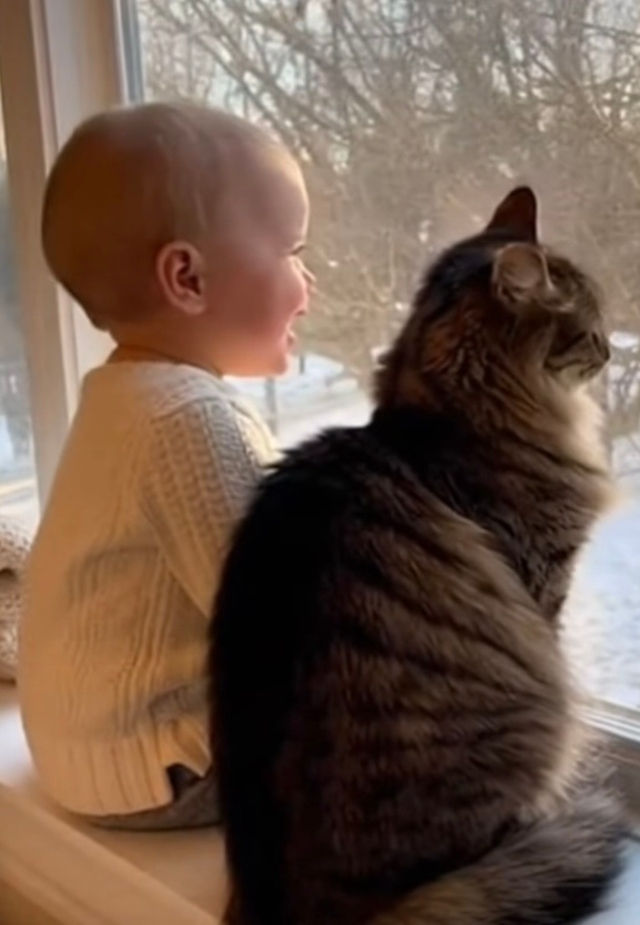
(The photograph is one I stole from an Instagram video, and thought it was appropriate.)
Well, it’s Summer Solstice again, and I am reminded that the temperature of the Earth, because it is so big, lags behind the actual astronomical indications, so that summer and winter only begin at the solstice, and continue for several months afterward. How much lag would there be on Jupiter or Saturn? Here on Earth, in the northern hemisphere (the southern is of course backwards, with winter just beginning), the hot time is from now. Best wishes to all who have to deal with extremes of weather.
In this blog I’d like to treat the age-old conundrum, an appropriate topic for summer or winter, which are quiet months in nature compared to those of spring and autumn. To wit: does one get things done in these quiet times, or does one succumb to the quiet and rest at these times? In the West we have the saying which is the title of this blog. In other words, we are exhorted to rest at quiet times. When the baby is asleep, that is definitely a quiet time for a new parent, and do we lie down and rest or do we get on with the innumerable tasks that wait during this time?
This is true of many things in life. For example, getting older, which many would say is a quiet time in life – after retirement, when we no longer have to get up or be somewhere every day at a certain time, catch trains, etc. It is famously touted as a time to rest. But conversely, we are constantly told to stay active, to “use it or lose it”, during this time. “You are in your early seventies? That’s young. You should keep doing things and being active”. instead of “Oh, you are in your early seventies? You worked hard for 30-35 years, now is the time to reap the benefits – to slow down the rhythm and get however much rest you need.” The pace of life is accelerating all the time. We older people are told we need to keep up with it, to learn new things such as how to operate the self-cashing machine at the supermarket, instead of getting used to the limitations of our aging bodies and deciding what we want to do with the time left to us on this earth.
I suspect this is for two good reasons. One is that “use it or lose it” is a true phrase especially at this time. We become acutely conscious of the muscles and nerves that no longer work as they used to when everything was nice and tight, and we want to keep our mobility as long as possible. No one is happy to think of themselves as confined to a wheelchair or bed, being cared for by others. Exercises that help with mobility and balance, to have confidence to navigate the various things that our bodies now expect us to deal with, are important. We also remember when we could do things, when we learned to do them, and we feel like a failure when we can’t any more.
One example from my own life is remembering when it was “child’s play” to go up and down steps and take off or put on shoes at the same time, as is necessary in a Japanese house, without support or even thinking very hard about it. But now I need steps and handrails or shoulders to do this, and my arms go out naturally to grasp any support available. I used to feel contemptuous of “foreigners” who would tread the area near their cast-off shoes in stocking feet because they were trying to put their shoes back on, and their bodies weren’t used to this rather difficult process; but now, I find myself doing the same thing, and probably earning the contempt of others in my turn. I learned that especially putting shoes on involves balancing on one foot a lot, and if you aren’t used to this or if your balance is going, it is increasingly difficult to do with grace. You have to do exercises to help with movements that used to come as second nature, and this is both physically and psychologically challenging.
But what is the alternative to these exercises that are often painful and fatiguing? To rest until these functions also disappear, which I admit is what I want to do (I am not a sporty person, although I have done walking and jogging off and on throughout most of my life)? I love rest… my favorite time of day is when I turn out the light and sink into sleep, either at night or at nap time, secure in the knowledge that I have no responsibilities until it is time to get up again. But is “sleeping when the baby sleeps” a good decision now? When one is on the threshold of the resting portion of life, should one rest or try to keep up?
There are many directions this blog can go from here – I must keep to the thread of discussion and I am reminded that I left something hanging a little while back. The second reason older people are exhorted to stay active is, bluntly, to make things easier for generations that follow. This is a rather new experience for humanity – “what to do with” older people who suddenly seem to be so numerous. Why are there so many older people now? Well, partly because of the postwar “baby boom”, and partly because of increased longevity which goes with improved medical techniques. Just as there are more older people, they are also living longer. It wasn’t that long ago that living into your 70s or 80s was a notable exception, most people dying in their 50s or 60s, and even longer ago it was normal to die in one’s 40s. Now, it is normal to live well into your 80s and beyond, and of course there are older people everywhere you look. I would submit that this is not a happy situation for younger generations who find themselves having to support them, financially and in other ways. This is completely understandable, but is it the fault of any individual old person? Did any of these older people ask for a lengthened period of pain and decreased mobility coupled with a need, always felt, to keep up with things they no longer feel capable of, and the knowledge, certain if unwelcome, that everyone younger around them is constantly thinking “Hurry up, hurry up” when they try to do things that no longer come unthinkingly and naturally? Maybe another reason, not often voiced, is that moribund older people are not a natural phase, but by their very presence remind younger people of what is in store for them later in life.
Active elderly people are to be encouraged, both for the infrastructure and for the older people themselves. But let’s not paint everyone with the same brush. Some older people, for a number of reasons, want to remain as active as possible, but some just want to rest after their long lives. I don’t think anyone, except the individuals themselves, can make the decision of how they want their lives to be in this stage. We also have to think about how or whether a waning population can give these older people the care they need and deserve.
What do you think?


Comments